Category: Casino

  • Why a 5% Increase in Player Retention Can Boost Casino Profits by Up to 95%

    Why a 5% Increase in Player Retention Can Boost Casino Profits by Up to 95%

    In the competitive iGaming industry, attracting new players is important—but keeping existing players engaged is where real profitability begins.

    Industry research shows that increasing player retention by just 5% can boost profits by 25% to 95%. This is why leading online casino operators invest heavily in retention strategies instead of focusing solely on player acquisition.

    Acquiring a new player is often several times more expensive than retaining an existing one. Returning players already know the platform, trust the brand, and are more likely to deposit, participate in promotions, and recommend the casino to others.

    Successful operators use several proven strategies to improve player retention in iGaming, including:

    • Personalized bonuses and rewards
    • Loyalty and VIP programs
    • Gamification features such as missions, achievements, and tournaments
    • Fast deposits and instant withdrawals
    • AI-powered game recommendations
    • Personalized CRM campaigns through email, SMS, and push notifications
    • Responsible gaming tools that build long-term trust

    Retention is more than simply encouraging players to return. It is about creating a smooth, engaging, and rewarding experience throughout the entire player journey.

    For game studios, higher retention also means greater game visibility and stronger long-term performance. Games that keep players engaged often generate higher lifetime value (LTV), better session frequency, and stronger organic growth through player recommendations.

    As customer acquisition costs continue to rise across regulated markets, operators that prioritize retention will gain a significant competitive advantage. Investing in player loyalty today can create sustainable revenue growth tomorrow.

    For modern iGaming businesses, retention is no longer just a marketing metric—it has become one of the most powerful drivers of profitability and long-term success.

  • What Will iGaming Look Like in 2030?

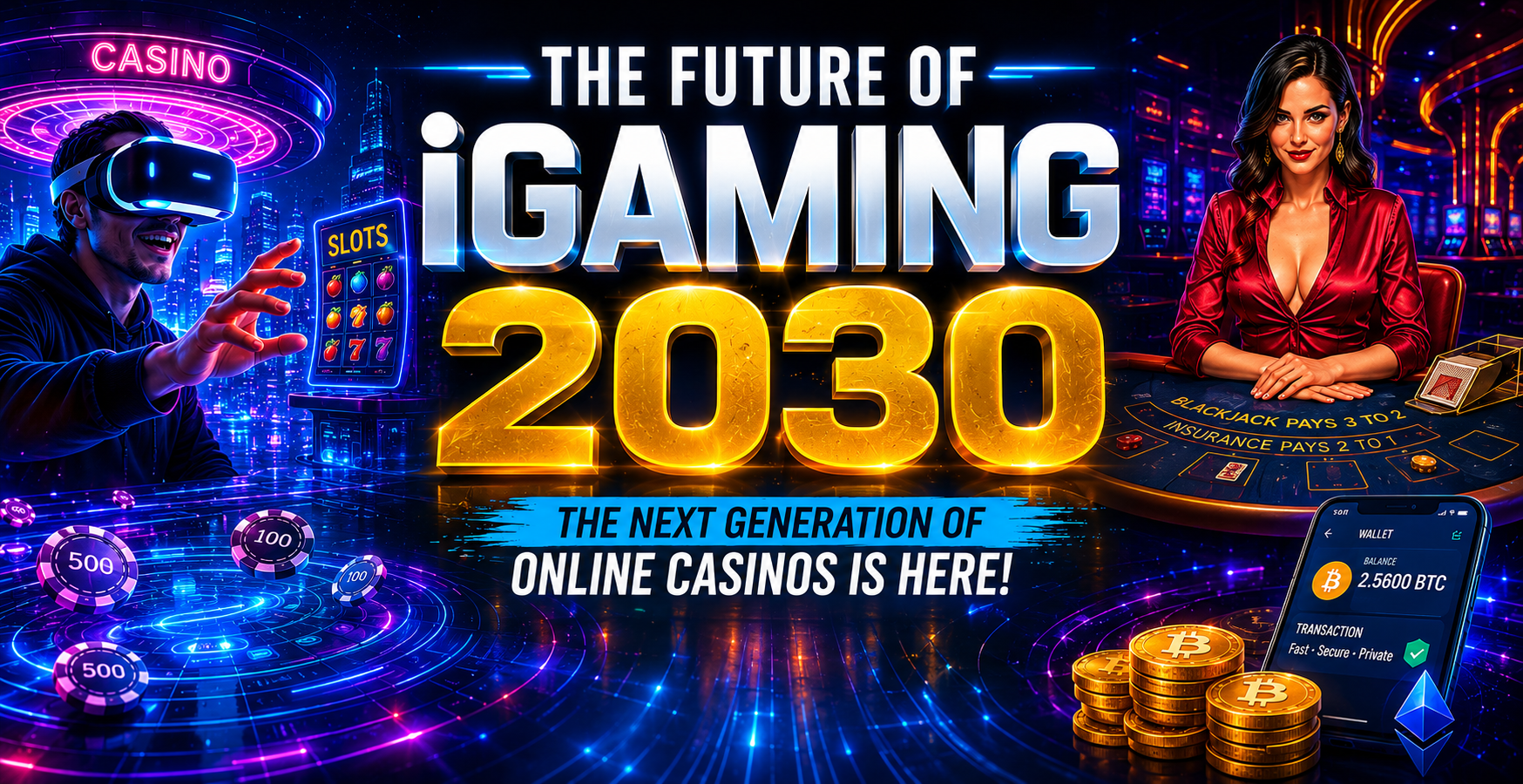
    What Will iGaming Look Like in 2030?

    The iGaming industry has evolved rapidly over the last decade. What started with simple online slots and digital table games has transformed into a global entertainment industry worth billions of dollars. However, the next five years could bring even bigger changes. By 2030, online casinos may look completely different from what players experience today.

    AI Will Deliver a Personalized Casino Experience

    Artificial intelligence is expected to become one of the biggest drivers of innovation in iGaming. Instead of offering the same experience to every player, casinos will use AI to recommend games, bonuses, and promotions based on individual preferences.

    Some providers have already started experimenting with AI-powered features. For example, certain live casino products are introducing AI-enhanced hosts and interactive experiences. Pragmatic Play has also explored AI-driven elements in selected card and live gaming experiences, highlighting the industry’s growing interest in artificial intelligence.

    By 2030, AI could create fully customized casino lobbies, personalized tournaments, and real-time recommendations designed specifically for each player.

    VR Casinos Could Change Online Gambling Forever

    Virtual reality has the potential to make online casinos more immersive than ever. Instead of clicking buttons on a screen, players could walk through a digital casino, interact with other players, and sit at virtual gaming tables.

    Imagine entering a luxury casino from your living room and playing poker, roulette, or blackjack with players from around the world. That future may not be far away.

    Several developers are already exploring VR casino environments. As VR headsets become more affordable, adoption is expected to increase significantly by 2030.

    AI Dealers and Smarter Table Games

    Artificial intelligence could also revolutionize live casino games. AI-powered dealers may offer faster gameplay, multilingual support, and personalized interactions.

    Innovative titles such as Blackjack 21 by Game Time Tec demonstrate how AI Dealer “Anna” continues to reshape classic blackjack experiences. Additionally, providers such as Pragmatic Play have begun experimenting with AI-powered presenters and AI-enhanced elements in selected live casino and card game experiences, showcasing how artificial intelligence could become a bigger part of online gaming in the years ahead. In the future, AI dealers may be capable of adapting conversations, explaining game rules, and creating a more engaging environment for players.

    Blockchain and Crypto Will Expand Further

    Cryptocurrency adoption continues to grow across the gaming industry. By 2030, blockchain technology could provide greater transparency, faster payments, and enhanced security.

    Smart contracts may automate payouts, while blockchain verification could help ensure fairness and trust in online gaming. Crypto-friendly casinos are likely to become more common as digital assets gain mainstream acceptance.

    The Future Is Intelligent, Immersive, and Connected

    The iGaming industry in 2030 will likely be defined by personalization, immersion, and technological innovation. AI, virtual reality, blockchain, and advanced live casino experiences are set to transform how players interact with online casinos.

    While no one can predict the future with complete certainty, one thing is clear: the next generation of iGaming will be smarter, more interactive, and more immersive than ever before.

  • European vs. Asian Online Casino Styles: Different Players, Different Rules

    European vs. Asian Online Casino Styles: Different Players, Different Rules

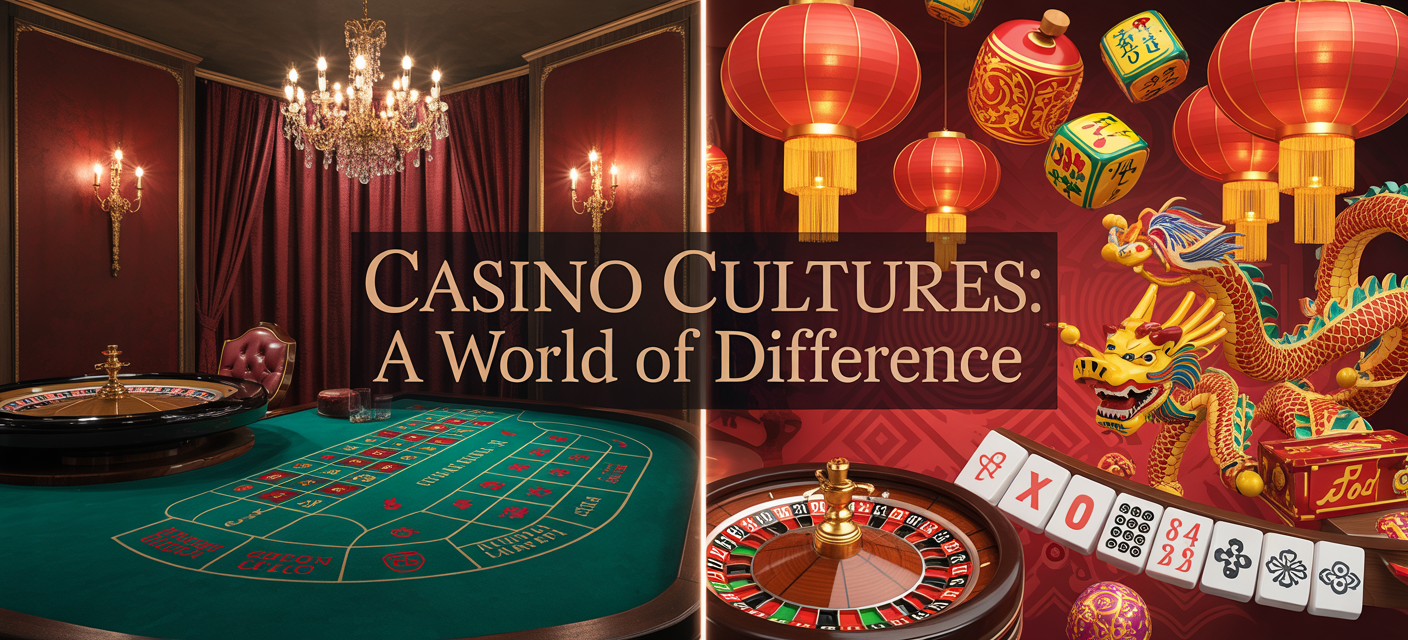
    When it comes to Europe vs. Asia, the contrast in online casino styles is as fascinating as it is strategic — from game design and themes to player psychology and spending behavior. The rise of online casinos has made gaming a truly global phenomenon. Yet, beneath the surface of this shared digital experience, cultural differences shape how people play, what they prefer, and why they keep coming back

    The European Style: Strategy, Skill, and Sophisticated Simplicity

    European online players are driven by skill-based excitement and strategic engagement. Games like Blackjack, Roulette, and Poker dominate European platforms because they reward decision-making and probability-based thinking rather than pure luck.

    European players prefer games that make them feel in control. They gravitate toward clean interfaces, realistic table designs, and minimalistic sounds. For example, popular platforms like Tiki Casino and Talismania focus on sleek aesthetics and immersive realism that mirror traditional casino tables, catering to users who enjoy structure, rules, and rhythm.

    Even slot games in Europe tend to follow classic, understated themes often inspired by mythology, history, or adventure. The focus is on consistent RTP (Return to Player) and balanced gameplay over flashy visuals. The psychology here is clear: European players seek entertainment backed by fairness and predictability, not overwhelming sensory stimulation.

    Another key element in Europe’s online casino culture is responsible gaming. Regulatory frameworks such as those from the UK Gambling Commission or Malta Gaming Authority enforce transparency, fair odds, and player control features reflecting the region’s emphasis on trust and long-term retention rather than short-term thrills.

    The Asian Style: Luck, Energy, and Emotional Play

    Asia’s online casino scene, on the other hand, thrives on emotion, intuition, and visual excitement. Platforms popular in countries like the Philippines, India, and Singapore often center around high-energy games such as Baccarat, Dragon Tiger, and Sic Bo.

    Here, the concept of “luck” drives engagement. Asian players are more likely to follow superstitions, lucky numbers, and auspicious colors. For instance, many online platforms use red and gold themes (symbols of prosperity) and fireworks animations during big wins.

    Games are designed to reward frequently and celebrate loudly which is a sharp contrast to Europe’s subtlety. Bonus rounds, jackpots, and in-game celebrations are constant reinforcements of success and hope. The experience is less about mastery and more about momentum keeping players emotionally connected through excitement and rhythm.

    Culturally, online gaming in Asia often overlaps with community experiences. Multiplayer tables, live dealer games, and chat-integrated formats are preferred. The rise of AI dealers and localized game hosts has only deepened this sense of connection, making every session feel lively and social , even from behind a screen.

    East Meets West

    Modern online platforms are increasingly blending these cultural styles. Developers now design hybrid games for example, a European Roulette experience wrapped in Asian-themed graphics, or Baccarat tables presented with sleek European design standards.

    Asian-inspired slots with strong storytelling, like “888 Fortunes” or “Dragon’s Luck Megaways”, are now global hits, while European studios like Evolution Gaming produce live dealer experiences tailored for both markets.

    This fusion signals the future of online gaming; a world where European logic meets Asian emotion, and every player finds their rhythm between strategy and superstition.

    Lastly, European and Asian online casino players might share the same digital platforms, but they approach gaming with different mindsets. Europe plays with calculation and confidence, while Asia plays with passion and belief. The success of tomorrow’s global online casinos will lie in understanding both — blending strategy with sensation to create games that feel personal, cultural, and universally thrilling.
  • Cracking the Code of Player Retention: Is It Math, Psychology, or Creativity That Wins? 

    Cracking the Code of Player Retention: Is It Math, Psychology, or Creativity That Wins? 

    Player retention is the lifeline of any casino platform or game developer, and it’s no longer just about luck or flashy visuals. But the big question remains: what truly drives retention? Is it advanced math models, human psychology, creative design, or a mix of all three? The answer lies in the fascinating intersection of science, emotion, and experience. 

    How Math Models Predict Loyalty 

    Math and data science are at the foundation of every successful retention strategy. Predictive analytics is the use of mathematical models to forecast player behavior has revolutionized how casinos engage users. 

    By studying player data such as bet frequency, play duration, deposit patterns, and churn rates, algorithms can identify when a player is likely to drop off. Once that risk is detected, personalized interventions like targeted bonuses, free spins, or loyalty rewards can be deployed automatically. 

    This concept draws inspiration from predictive churn models, used widely in industries like streaming and e-commerce. Casinos are now adapting these same models to keep players engaged. Additionally, game math: the balance of volatility, RTP (Return to Player), and reward frequency plays a major role in how “sticky” a game feels. A perfectly tuned math model can maintain excitement while giving players a sense of control and fairness. 

    The Psychology of Engagement 

    While numbers help understand behavior, it’s psychology that explains why players act the way they do. Behavioral science has shown that human motivation is deeply tied to reward systems in the brain specifically, the dopamine loop. When players experience small, consistent wins or progress toward a goal, their brains release dopamine, reinforcing the desire to keep playing. 

    Game developers now design features based on B.F. Skinner’s Operant Conditioning Theory, which emphasizes the power of variable rewards. This means unpredictable, intermittent rewards like jackpots, mystery bonuses, or rare wins keep players engaged longer than predictable ones. 

    Psychological triggers like achievement badges, daily streaks, and leveling systems also give players a sense of accomplishment. In essence, psychology fuels emotional attachment, while math fine-tunes the experience. 

    Creativity: The Heart of Retention 

    Even with powerful models and insights, creativity is the bridge that turns science into experience. Stunning visuals, immersive storylines, and innovative game mechanics make players feel connected beyond just gambling. Games that evolve introducing new challenges, seasonal events, or community competitions create a dynamic environment where players want to return just to see what’s next. 

    Developers like Game Time Tec, Evolution Gaming and Play’n GO have mastered this blend — integrating engaging design with behavioral science and data analytics to sustain long-term engagement. 

    The Future: The Fusion of Science and Emotion 

    The future of player retention won’t belong to one discipline alone. The real winners will be those who merge mathematics, psychology, and creativity into a single, player-centric ecosystem. Artificial Intelligence will further enhance this by learning player behavior in real time and customizing offers, game types, and even visuals accordingly. 

    Ultimately, player retention isn’t just about keeping someone spinning. It’s about creating experiences that feel personal, rewarding, and emotionally resonant. The math predicts, psychology motivates, and creativity captivates together, they form the perfect equation for loyalty in the online casino industry. 

  • 3 Popular Features in Online Casino Games

    3 Popular Features in Online Casino Games

    The casino gaming space thrives on innovation, and certain features have become player favorites across multiple providers. Let’s look at three that stand out right now — Hold & Spin, Anti-Bet, and Power Collection — and see how different companies are applying them.

    1. Hold & Spin
    The Hold & Spin mechanic is one of the most recognizable features in modern slots. It works by locking special symbols in place while the reels respin, giving players a chance to land more and build bigger wins. Kazan Gaming’s Coin Game is a good example, where coin symbols stick during the feature and create a suspense-filled bonus round.
    Many providers have their own versions, each adding small twists to the mechanic. Game Time Tec (GTT) adapts this with its Play & Spin feature in games like Sombrero Cabron and Joker Gems, keeping the pace fast and the tension high.

    2. Anti-Bet
    The Anti-Bet feature gives players the option to increase their wager for a higher chance of triggering bonuses. It’s popular because it hands control back to the player — they decide if they want to take on more risk for more reward.
    Pragmatic Play uses this in games like Gates of Olympus, where boosting the stake raises the odds of hitting free spins.GTT has applied the same concept in titles such as Vikings Thunder and Fortune Avengers, letting players lean into risk if they want faster access to big bonus rounds.

    3. Power Collection
    Collection-style features keep players engaged by building progress over multiple spins until a bigger event triggers. It adds a layer of anticipation that stretches beyond a single round.Playtech’s Fire Blaze series uses Power Collection, where gathering symbols eventually activates jackpots.
    GTT’s Sugar Love has its own take with the Sugar Meter, filling up with every spin until it bursts into a bonus feature packed with candy-themed rewards.

    Final Thoughts
    Features like Hold & Spin, Anti-Bet, and Power Collection show how the industry keeps reinventing ways to entertain players. Different studios put their own spin on them — from Wazdan Gaming’s coin respins to Pragmatic’s bonus boosting and Playtech’s jackpot collections. Game Time Tec is part of that trend too, weaving these popular mechanics into its growing lineup of titles.