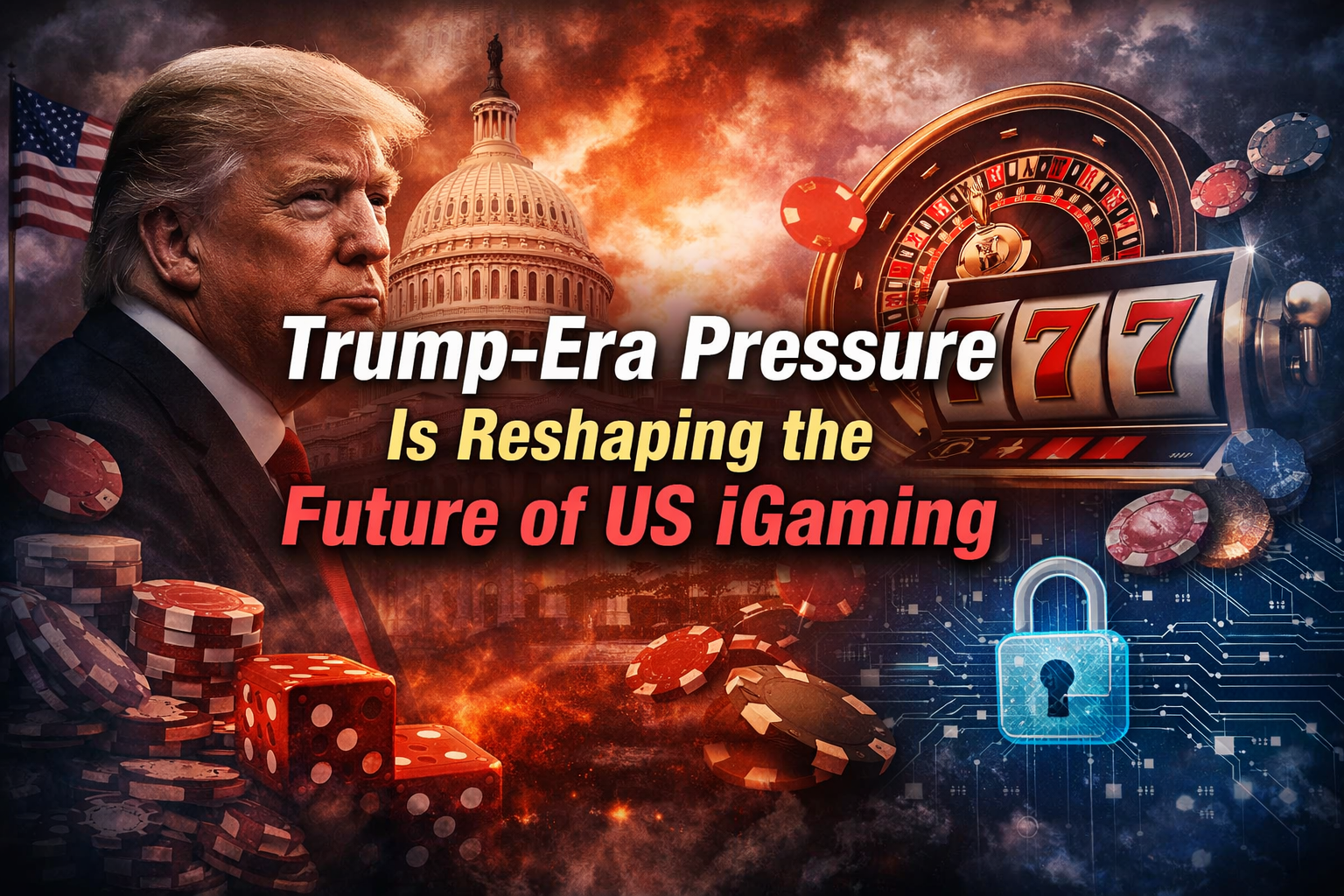
The US iGaming industry has grown rapidly over the past few years. State and tribal regulators have built one of the most advanced regulated gaming ecosystems in the world. Legal sports betting and online casinos now generate billions in revenue while protecting players and reducing illegal gambling.
However, the landscape is beginning to shift. A new wave of policy thinking, influenced by federal-level approaches linked to Donald Trump-era regulatory philosophy, is starting to challenge the dominance of state-controlled iGaming.
Federal Pressure vs State Control
At the center of this shift is a growing push for stronger federal oversight. Proposals like the SAFE Bet Act reflect concerns that state-level regulations may not be enough to manage the risks of modern digital gambling.
This is where Trump-era influence becomes relevant. Historically, Trump-backed regulatory thinking has leaned toward stricter federal involvement in industries tied to risk, compliance, and financial oversight. In iGaming, this creates tension.
State regulators have proven they can build successful markets. But now, they are being asked to prove they can sustain them under increasing scrutiny.
New Threats in the iGaming Ecosystem
The challenge is not just political—it is also technological.
The rise of AI-driven fraud, evolving cyber threats, and the emergence of unregulated platforms like sweepstakes gaming and prediction markets are testing the limits of existing frameworks. Some of these platforms argue they fall outside state jurisdiction altogether.
This creates a dangerous grey area. If federal policies tighten, operators may face stricter compliance rules. If not, unregulated markets could continue to grow unchecked.
The Risk of Regulatory Overreach
One major concern tied to Trump-influenced regulatory approaches is overregulation.
If federal rules become too strict, players may return to offshore or illegal platforms. This would reverse years of progress made by state regulators.
The balance is critical. Strong rules are needed to ensure player safety, but excessive control could harm the legal market.
Why Compliance Is Now the Battlefield
The future of US iGaming will depend on compliance strength.
Key areas like KYC (Know Your Customer), AML (Anti-Money Laundering), geolocation, and fraud detection are becoming more important than ever. Regulators must ensure these systems are not only in place but actively working.
Trump-era regulatory thinking emphasizes accountability and enforcement. This could push operators to adopt stricter compliance systems, increasing costs but also improving trust.
What Comes Next for iGaming?
The US iGaming industry is entering a defining phase.
State regulators must defend their authority while adapting to new risks. At the same time, federal influence—shaped partly by Trump-era policies—may redefine how the industry operates.
The outcome will shape the next decade of iGaming in America.
One thing is clear: the industry can no longer rely on past success. Continuous oversight, innovation, and balance will determine whether regulated iGaming continues to thrive or faces disruption.
Leave a Reply