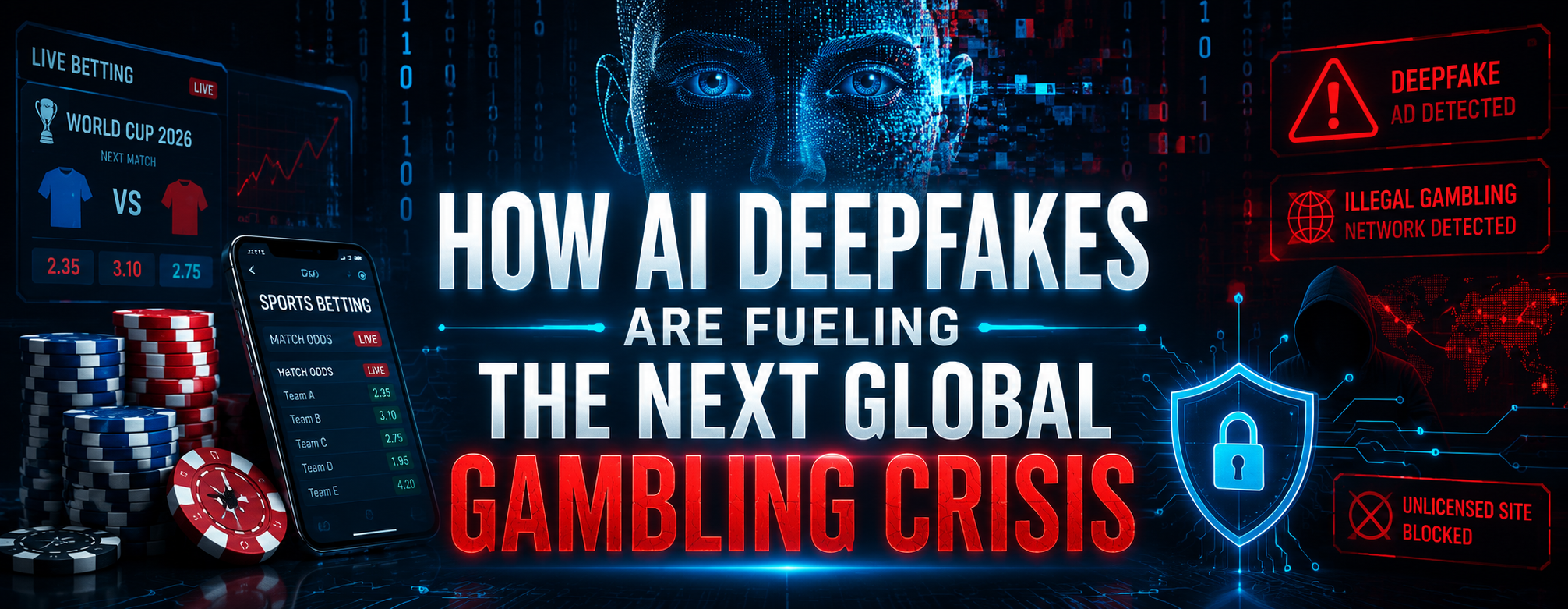
The gambling industry is facing a new challenge. AI deepfakes are becoming more advanced, and criminals are using them to support illegal gambling operations. At the same time, World Cup 2026 betting activity is expected to reach record levels. Together, these trends are creating serious risks for players, operators, and regulators around the world.
AI technology has transformed many industries. However, it has also created new opportunities for cybercriminals. Deepfake videos, fake celebrity endorsements, and AI-generated advertisements are now being used to promote unlicensed gambling websites. These platforms often operate outside regulatory frameworks and target players through social media and messaging apps.
The problem is growing quickly. Deepfake technology can create realistic videos and audio clips that appear authentic. In many cases, users struggle to identify whether the content is genuine or fake. As a result, illegal gambling operators can gain trust and attract new customers more easily than ever before.
The upcoming FIFA World Cup 2026 is expected to increase betting activity worldwide. Major sporting events traditionally attract millions of new bettors. Unfortunately, they also attract fraudsters. Criminal networks often take advantage of increased public interest to launch scams and promote unauthorized betting platforms.
For gambling operators, the financial impact can be significant. Illegal gambling websites divert customers away from licensed operators. They also damage consumer confidence and create reputational risks for the industry. In addition, operators face higher compliance costs as they invest in fraud prevention and cybersecurity measures.
Regulators are responding with stronger enforcement efforts. Many jurisdictions are increasing monitoring activities and introducing new rules designed to combat AI-generated fraud. Authorities are also working closely with technology companies to identify and remove misleading gambling advertisements before they reach consumers.
Players must remain cautious. Before registering with any gambling platform, users should verify licensing information and review the operator’s credentials. It is also important to be skeptical of celebrity endorsements and promotional content that appears too good to be true.
The rise of AI deepfakes demonstrates how quickly technology can reshape the gambling landscape. While artificial intelligence offers valuable benefits, it also creates new security challenges. As World Cup betting activity accelerates, operators, regulators, and players must work together to reduce risks and protect the integrity of the gaming industry.
The battle against AI-driven gambling fraud has only just begun. The decisions made today will help determine how safely the industry navigates its next phase of growth.
Leave a Reply